
A portable shelter turns a cold, windy lake into a place where you can sit for hours. The design you choose decides how quickly you set up, how well the shelter handles wind and how much you carry out to the ice. Three designs are common: pop-up shelters that fold into a bag, hub-style shelters with a framed structure and sled shelters that combine a seat and a windbreak in one unit. Each makes different trade-offs between speed, strength and weight.
A shelter does not make the ice any safer. The ice still has to be checked, and the shelter is only as useful as the place it stands. Read the advisories and ice reports before you set up, and see our guide to planning an ice trip for how to do that. This guide covers the design of shelters and how they are used, not where to fish.
Short answer: portable shelters come as pop-up, hub-style and sled designs. Each trades speed, strength and weight, and each needs proper anchoring and ventilation whatever the design.
In this guide
Pop-up shelters
A pop-up shelter opens quickly, often in a few minutes, and folds into a carry bag that is light enough for one person. It is a good choice for anglers who move often or who want a simple option for a short trip. The fabric is the weak point. In strong wind, a pop-up can shift or lift if it is not staked or weighted as the maker recommends, and the frame may flex in cold temperatures.
Check the number of poles and the attachment points before buying. A shelter with more contact points distributes wind load more evenly. Look at the door, too. A zipper that slides smoothly with gloves on saves frustration on a windy morning.
Hub-style shelters
Hub-style shelters use a central hub and a framed structure, often with more substantial fabric and sturdier poles. They are heavier and take longer to set up, but they stand up to wind better and suit groups or anglers who spend a full day on the ice. Setup is a two-person job for many models, and a practice run in the yard will tell you whether the instructions make sense before you are standing on a frozen lake.
The extra weight matters when you carry the shelter. Consider whether you will drag it on a sled, carry it on your back or leave it in a vehicle close to the ice. A hub-style shelter is a long-term investment, and the best ones are often the easiest to repair.
Sled shelters
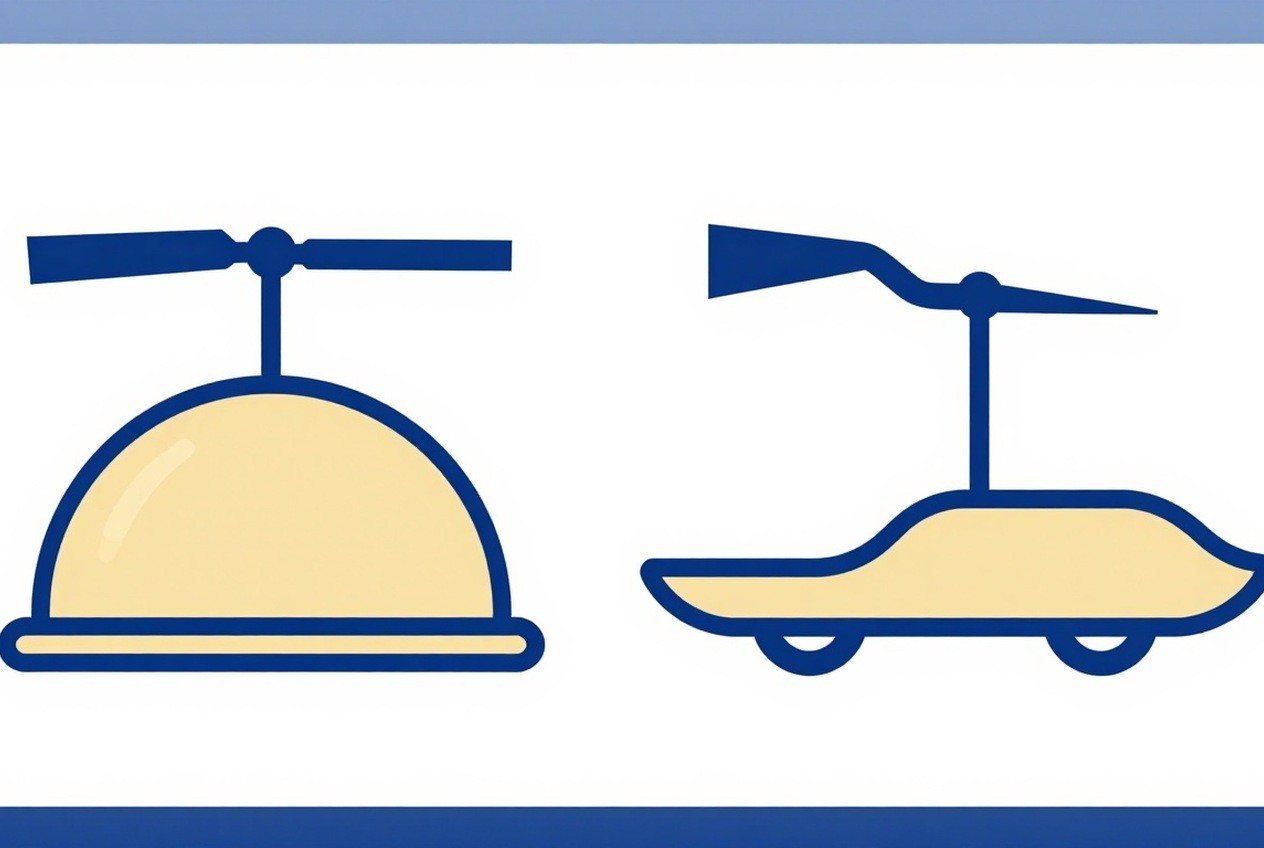
A sled shelter combines a seat, a windbreak and a storage area in one unit. It is easy to pull across the ice in a single trip, and it often includes a door, a window and a small compartment for gear. The trade-off is space. Sled designs can feel cramped for two people, and their protection depends on the wind direction and how well the windbreak is positioned.
Sled shelters suit solo anglers, short trips and anyone who wants to carry everything in one load. Check the weight of the sled when loaded, the quality of the runners and the strength of the rope or handle.
Ventilation and heat
Good ventilation is essential in any enclosed shelter. Look for mesh panels or vents that let air move without letting in too much cold. Never use a fuel heater inside a shelter unless the maker’s instructions specifically allow it and the space is properly ventilated. Carbon monoxide can build up quickly in a closed space, so a carbon monoxide alarm is a useful addition for any heated shelter. Check the alarm before the trip, and keep the heater and any fuel outside the sleeping or sitting area.
A reflective floor or an insulated base keeps cold from rising through the floor. Many shelters include a floor that can be lined with a thick pad or a rug. Check that the floor is attached securely and that water cannot pool at the edges.
Anchoring and wind
Anchor the shelter as the manufacturer directs, using the stakes, weights or ice screws the maker supplies. Stake the corners first, then the mid points. Check the guy lines after the wind rises, since fabric can stretch and loosen during a long day. A shelter that lifts in a gust is a hazard to you and to anyone nearby.
Keep the door closed in strong wind and check the vents so they are not blocked by snow. Snow piling against the walls can add load, so brush it away from the fabric periodically.
- Pop-up. Setup: Quick. Wind: Needs careful staking. Best for: Light trips and moving often.
- Hub-style. Setup: Slower, two people. Wind: Strong when staked. Best for: Groups and full days.
- Sled. Setup: Single load. Wind: Depends on windbreak. Best for: Solo anglers and short hauls.
Transport and sled loading
A shelter that is hard to haul will be left at home. Load the heaviest items low and near the center of the sled, and secure every bag with straps so nothing shifts on the ice. Keep the sled’s runners clear of snow and debris, and pull it slowly to avoid jerking the load. If you use a vehicle, store the shelter in the cargo area and make sure the fabric and poles cannot rattle loose on the road. A shelter that arrives in good shape is easier to set up, and the trip is safer for everyone.
Cleaning and drying
Moisture is a shelter’s enemy. Shake out the fabric and wipe the floor and walls after each trip, paying attention to the seams and zippers where ice and water collect. Let the shelter dry fully before packing it, since damp fabric can grow mildew in a closed bag. Store the shelter in a cool, dry area, and check the poles and connectors for cracks or corrosion. A little care at the end of the season keeps the shelter ready for the next winter.
The short version
Pop-up shelters are light and quick, hub-style shelters are sturdy and heavier and sled shelters pack everything into one load. Match the design to your trips, practice setup at home and anchor the shelter as the maker recommends. Keep fuel heaters and their fumes outside the living space, and use a carbon monoxide alarm in any heated shelter. Check advisories before you go, because a comfortable shelter does not change what the ice can bear.
Using a shelter safely
- Practice the setup at home before you go out.
- Anchor the shelter as the maker directs and check the lines after the wind rises.
- Keep fuel heaters outside the living space and use a carbon monoxide alarm.